Calcineurin Inhibitors
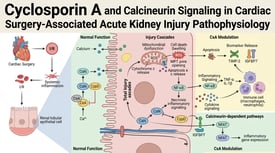
Calcineurin is a calcium- and calmodulin-dependent serine/threonine protein phosphatase that plays a central role in the activation of T-lymphocytes and the overall immune response. The mechanism of action of Calcineurin involves the dephosphorylation of the Nuclear Factor of Activated T-cells (NFAT). In its phosphorylated state, NFAT resides in the cytoplasm; upon dephosphorylation by calcineurin, NFAT translocates to the nucleus, where it induces the transcription of several key cytokine genes, most notably interleukin-2 (IL-2). IL-2 is essential for the proliferation and differentiation of T-cells. Calcineurin inhibitors (CNIs) are a class of potent immunosuppressive drugs that have become the cornerstone of therapy for preventing organ transplant rejection and treating various autoimmune diseases, such as rheumatoid arthritis, psoriasis, and atopic dermatitis. The two primary CNIs used clinically are cyclosporine A (CsA) and tacrolimus (FK506).
These drugs do not bind to calcineurin directly; instead, they form complexes with intracellular proteins called immunophilins. Cyclosporine binds to cyclophilin, while tacrolimus binds to FK506-binding protein 12 (FKBP12). These drug-immunophilin complexes then bind to calcineurin, sterically hindering its phosphatase activity and preventing the activation of the NFAT pathway. CNIs are generally classified by their chemical structure and the specific immunophilin they target. Despite their clinical success, CNIs are associated with significant side effects, including nephrotoxicity, hypertension, neurotoxicity, and an increased risk of opportunistic infections and malignancies. Nephrotoxicity is a particularly major concern, often characterized by renal vasoconstriction and chronic interstitial fibrosis.
Current research progress is focused on developing 'next-generation' calcineurin inhibitors or alternative NFAT inhibitors that offer improved safety profiles. For example, voclosporin is a newer analog of cyclosporine with more predictable pharmacokinetics and increased potency, which was recently approved for the treatment of lupus nephritis. Other research efforts are exploring the use of non-competitive inhibitors that disrupt the interaction between calcineurin and NFAT without affecting the enzyme's catalytic site, potentially reducing off-target toxicity. Additionally, combination strategies involving CNIs and other immunosuppressants, such as mTOR inhibitors (sirolimus) or mycophenolate mofetil, are commonly used to allow for lower CNI doses and minimized toxicity. The role of calcineurin in non-immune tissues, such as the heart and brain, is also an area of active study, with implications for treating cardiac hypertrophy and neurodegenerative disorders. As the field moves forward, the goal remains to refine the use of CNIs through therapeutic drug monitoring and the development of more selective modulators of the calcium-calcineurin-NFAT signaling axis.