LDL Inhibitors
Low-density lipoprotein (LDL) is the primary carrier of cholesterol in the blood, and elevated levels of LDL cholesterol (LDL-C) are a major causative factor in the development of atherosclerotic cardiovascular disease (ASCVD). While LDL itself is a lipoprotein particle rather than a single enzyme or receptor, the term "LDL inhibitors" generally refers to a broad class of pharmacological agents designed to lower circulating LDL-C levels by targeting various steps in cholesterol synthesis, absorption, and clearance. The most well-established targets in this pathway include HMG-CoA reductase, the rate-limiting enzyme in hepatic cholesterol synthesis; Niemann-Pick C1-Like 1 (NPC1L1), which mediates intestinal cholesterol absorption; and Proprotein Convertase Subtilisin/Kexin Type 9 (PCSK9), a protein that promotes the degradation of LDL receptors (LDLR) on the surface of hepatocytes. The mechanism of action for these inhibitors varies significantly. Statins, the cornerstone of LDL-lowering therapy, inhibit HMG-CoA reductase, leading to decreased intracellular cholesterol and a compensatory up-regulation of LDLR, which enhances the clearance of LDL from the plasma.
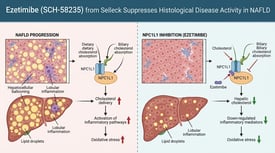
Ezetimibe, an NPC1L1 inhibitor, reduces the delivery of intestinal cholesterol to the liver, also resulting in increased LDLR expression. The more recent class of PCSK9 inhibitors, which includes monoclonal antibodies like alirocumab and evolocumab, prevents PCSK9 from binding to LDLR, thereby increasing the number of receptors available to clear LDL-C. Additionally, inclisiran, a small interfering RNA (siRNA) therapeutic, inhibits the hepatic production of PCSK9 at the genetic level. Another emerging target is Adenosine Triphosphate-Citrate Lyase (ACL), inhibited by bempedoic acid, which acts upstream of HMG-CoA reductase in the cholesterol biosynthesis pathway. The clinical progress of these inhibitors has been extensive, with many agents already approved and widely used in clinical practice.
Statins have a long history of reducing cardiovascular events and mortality. PCSK9 inhibitors have shown profound LDL-C lowering efficacy, often exceeding 50-60%, and are particularly beneficial for patients with familial hypercholesterolemia or those who are statin-intolerant. Current research is focused on improving the convenience of administration, such as long-acting injectables or oral formulations, and exploring new targets like Angiopoietin-like protein 3 (ANGPTL3). Common classifications of these inhibitors are based on their molecular target and modality (e.g., small molecules, monoclonal antibodies, or nucleic acid-based therapies). Despite their effectiveness, challenges such as high cost for newer biologics, potential side effects like myalgia with statins, and the need for lifelong therapy remain.
Combination therapy, such as the "triple therapy" of a statin, ezetimibe, and a PCSK9 inhibitor, is increasingly used for high-risk patients to achieve very low LDL-C targets. As cardiovascular disease remains a leading cause of death globally, the development and optimization of LDL-lowering strategies continue to be a critical area of biomedical research and public health.