Notch Inhibitors
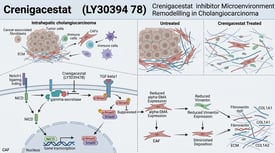
The Notch signaling pathway is a highly conserved cell-to-cell communication mechanism that plays a fundamental role in determining cell fate, proliferation, differentiation, and apoptosis during embryonic development and adult tissue homeostasis. The pathway is initiated when a Notch receptor (Notch1–4) on one cell interacts with a ligand (Jagged1, Jagged2, Delta-like 1, 3, or 4) on an adjacent cell. This interaction triggers a series of proteolytic cleavages. The first is mediated by ADAM-family metalloproteases, followed by a second cleavage performed by the gamma-secretase complex. This final cleavage releases the Notch intracellular domain (NICD), which translocates to the nucleus. Once in the nucleus, NICD binds to the DNA-binding protein CSL (also known as RBPJ) and recruits co-activators like Mastermind-like (MAML) to initiate the transcription of target genes, most notably the HES and HEY families of transcriptional repressors.
Dysregulation of Notch signaling is a hallmark of numerous diseases, particularly cancer. Constitutive activation of Notch1 is a primary driver in over 50% of T-cell acute lymphoblastic leukemia (T-ALL) cases, often due to gain-of-function mutations. In solid tumors, such as breast, pancreatic, and lung cancers, Notch signaling often promotes tumor initiation, angiogenesis, and the maintenance of cancer stem cells, contributing to chemoresistance and metastasis. Conversely, in some contexts like squamous cell carcinomas, Notch can act as a tumor suppressor, highlighting the pathway's context-dependent nature. Beyond oncology, Notch signaling is implicated in cardiovascular diseases, such as Alagille syndrome and CADASIL, as well as in fibrotic diseases and neurodegenerative conditions like Alzheimer’s disease, where gamma-secretase also processes the amyloid precursor protein. Inhibitors of the Notch pathway are categorized into several classes based on their mechanism of action.
The most widely studied are gamma-secretase inhibitors (GSIs), such as nirogacestat and semagacestat. While GSIs are potent, their clinical utility has been hampered by dose-limiting gastrointestinal toxicities caused by the simultaneous inhibition of Notch signaling in the gut. To address this, researchers have developed monoclonal antibodies that specifically target individual Notch receptors or ligands (e.g., tarextumab against Notch2/3 or demcizumab against DLL4), offering a more selective approach with potentially fewer side effects. Another emerging class includes "stapled peptides" and small molecules designed to disrupt the NICD-CSL-MAML transcriptional complex, directly targeting the nuclear step of the pathway. Current clinical trials are exploring these inhibitors both as monotherapies and in combination with chemotherapy or immunotherapy to overcome resistance. A significant challenge in the field remains the identification of biomarkers to predict patient response and the management of "Notch-off" toxicities.
Despite these hurdles, the recent FDA approval of nirogacestat for desmoid tumors marks a significant milestone, reinvigorating interest in Notch-targeted therapies for a broader range of indications.