FTO Inhibitors
Fat mass and obesity-associated protein (FTO) is the first identified RNA demethylase, belonging to the AlkB homolog (ALKBH) family of non-heme iron(II)-dependent dioxygenases. FTO catalyzes the oxidative demethylation of N6-methyladenosine (m6A) in RNA, a prevalent and reversible epitranscriptomic modification. m6A modification plays a critical role in regulating various aspects of RNA metabolism, including mRNA splicing, stability, nuclear export, and translation. FTO's primary signaling pathway involves the regulation of gene expression through m6A demethylation. By removing the m6A mark, FTO can influence the expression levels of numerous genes involved in cellular processes such as adipogenesis, energy homeostasis, and cell proliferation. Consequently, FTO has been strongly associated with obesity and metabolic disorders.
Genetic variations in the FTO gene are among the most significant genetic risk factors for obesity in humans, and FTO expression is upregulated in adipose tissue of obese individuals. Beyond obesity, FTO dysregulation is implicated in other conditions, including type 2 diabetes, cardiovascular disease, and certain cancers, where it can promote tumor growth and metastasis by altering the m6A landscape of oncogenic transcripts. Given its central role in metabolic regulation and disease pathogenesis, FTO has emerged as an attractive therapeutic target. Inhibitors of FTO aim to block its demethylase activity, thereby increasing m6A levels and modulating gene expression in a manner that could counteract disease phenotypes. Research progress has led to the identification of several small-molecule FTO inhibitors. These compounds typically act by chelating the Fe(II) cofactor essential for FTO's catalytic activity or by interfering with substrate binding.
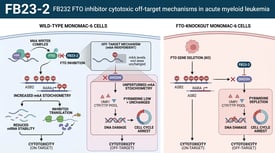
Notable examples include meclofenamic acid and its derivatives, as well as more potent and selective inhibitors like FB23-2 and compound 2-DC. These inhibitors have demonstrated efficacy in preclinical models, showing reduced food intake, weight loss, and improved glucose metabolism in diet-induced obese mice. They have also shown potential in suppressing cancer cell proliferation and enhancing chemosensitivity in certain tumor types. Inhibitors are generally classified based on their chemical structure and potency. Current research is focused on optimizing the pharmacokinetic properties of these inhibitors, improving their selectivity, and evaluating their long-term efficacy and safety in preclinical studies. Challenges include achieving sufficient target engagement in vivo and understanding the complex downstream effects of modulating m6A levels across different tissues and disease contexts.
Combination therapy strategies, such as pairing FTO inhibitors with anti-obesity drugs or chemotherapeutics, are also under investigation. The development of FTO inhibitors represents a novel approach to tackle metabolic diseases and potentially cancer by targeting the epitranscriptome.