PD-1/PD-L1 Inhibitors
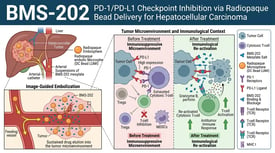
The programmed cell death protein 1 (PD-1) and its primary ligand, programmed death-ligand 1 (PD-L1), constitute a critical immune checkpoint axis that maintains peripheral tolerance and prevents autoimmunity under physiological conditions. PD-1 is an inhibitory receptor predominantly expressed on the surface of activated T cells, B cells, and myeloid cells. When PD-1 binds to its ligands, PD-L1 or PD-L2, it triggers a cascade that leads to the recruitment of the tyrosine phosphatase SHP-2 to its intracellular immunoreceptor tyrosine-based switch motif (ITSM). This recruitment results in the dephosphorylation of proximal signaling elements of the T-cell receptor (TCR) and CD28 pathways, such as ZAP70 and PI3K, effectively dampening T-cell activation, proliferation, and cytokine production. In the context of oncology, many tumors upregulate PD-L1 expression as an adaptive immune resistance mechanism, allowing them to evade immunosurveillance by inducing T-cell exhaustion. The therapeutic blockade of this axis has revolutionized the treatment of numerous malignancies. PD-1/PD-L1 inhibitors are now standard-of-care for advanced melanoma, non-small cell lung cancer (NSCLC), renal cell carcinoma, Hodgkin lymphoma, and various urothelial and head and neck cancers.
Beyond oncology, research is exploring the role of this pathway in chronic viral infections and even certain autoimmune conditions where agonistic approaches might be beneficial. Currently, the landscape of inhibitors is dominated by monoclonal antibodies (mAbs). Approved agents include PD-1 inhibitors like nivolumab, pembrolizumab, and cemiplimab, as well as PD-L1 inhibitors such as atezolizumab, durvalumab, and avelumab. These agents are typically administered intravenously and have demonstrated durable clinical responses in a subset of patients. However, the field is rapidly evolving toward the development of small-molecule inhibitors, which offer advantages such as oral bioavailability, better tumor penetration, and shorter half-lives, potentially allowing for better management of immune-related adverse events (irAEs). Inhibitors can be classified based on their target (PD-1 vs. PD-L1) and their chemical nature (biologics vs.
small molecules). Biologics are further categorized by their immunoglobulin isotype, with most being IgG4 (to minimize effector functions) or IgG1 (sometimes engineered to enhance or reduce ADCC). Small molecules often target the PD-L1 dimer interface, inducing the sequestration of PD-L1 and preventing its interaction with PD-1. Despite their success, challenges remain, most notably primary and acquired resistance. Only about 20-30% of patients across unselected tumor types respond to monotherapy. Strategies to overcome this include combination therapies with CTLA-4 inhibitors, chemotherapy, anti-angiogenic agents, or novel checkpoints like LAG-3 and TIGIT. Furthermore, identifying reliable biomarkers beyond PD-L1 expression and tumor mutational burden (TMB) is a priority to better predict patient response.
The management of irAEs, which can affect almost any organ system, also remains a critical aspect of clinical care. Future research is focused on bispecific antibodies, PROTACs targeting PD-L1, and the modulation of the gut microbiome to enhance the efficacy of these transformative immunotherapies.