Integrase Inhibitors
Integrase inhibitors, specifically Integrase Strand Transfer Inhibitors (INSTIs), are a class of antiretroviral drugs that have become the preferred backbone of HIV-1 treatment regimens. The mechanism of action involves targeting the viral enzyme integrase, which is responsible for inserting the reverse-transcribed viral DNA into the host cell's genome—a critical and irreversible step in the HIV life cycle. Integrase functions in two main stages: 3'-processing in the cytoplasm and strand transfer in the nucleus. INSTIs specifically bind to the integrase-DNA complex (the intasome) and chelate the essential magnesium ions in the enzyme's active site, thereby preventing the strand transfer step. This prevents the formation of the provirus and halts the replication cycle. The clinical introduction of INSTIs began with Raltegravir, followed by Elvitegravir.
While effective, these first-generation inhibitors had a relatively low genetic barrier to resistance, often requiring twice-daily dosing or pharmacological boosting. The field was significantly advanced by the development of second-generation INSTIs, such as Dolutegravir, Bictegravir, and Cabotegravir. These agents possess a much higher genetic barrier to resistance, meaning the virus must acquire multiple, often fitness-costly mutations to escape the drug's effect. This robustness has allowed for the use of INSTIs in simplified two-drug regimens and as monotherapy in certain maintenance contexts. Furthermore, Cabotegravir has been developed into a long-acting injectable formulation, providing a transformative option for both HIV treatment and pre-exposure prophylaxis (PrEP), significantly improving adherence. Integrase inhibitors are generally classified by their generation and their pharmacokinetic half-life.
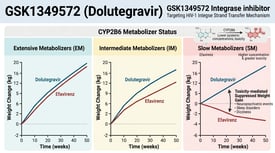
They are widely regarded as having a superior safety profile compared to older classes like protease inhibitors or non-nucleoside reverse transcriptase inhibitors (NNRTIs), with fewer drug-drug interactions and better metabolic tolerability. However, recent clinical observations have raised concerns regarding weight gain and potential neuropsychiatric side effects in some patients, which are areas of ongoing investigation. A major challenge in the field is managing the rare cases of multi-drug resistant HIV where even second-generation INSTIs may fail. Research is also exploring the potential of 'allosteric' integrase inhibitors (ALLINIs), which bind to a different site on the enzyme and interfere with its multimerization and interaction with viral RNA, potentially offering a new way to overcome resistance to current INSTIs. The success of integrase inhibitors reflects the power of structure-based drug design in creating highly potent, selective, and well-tolerated therapies that have turned HIV into a manageable chronic condition. Future directions include the continued development of ultra-long-acting formulations and the exploration of integrase inhibitors in the context of HIV cure research, specifically their role in preventing the seeding of the viral reservoir.