OGG1 Inhibitors
OGG1 inhibitors target 8-oxoguanine DNA glycosylase 1 (OGG1), a crucial enzyme in the base excision repair (BER) pathway, which is the primary mechanism for repairing small, non-helix-distorting DNA lesions. OGG1 specifically recognizes and excises 8-oxoguanine (8-oxoG), a highly mutagenic lesion generated by reactive oxygen species (ROS) that can lead to G:C to T:A transversions if unrepaired. The mechanism of action of OGG1 involves its glycosylase activity, which cleaves the N-glycosidic bond between the 8-oxoG base and the deoxyribose sugar, creating an apurinic/apyrimidinic (AP) site. This AP site is then processed by other BER enzymes, including AP endonuclease 1 (APE1), DNA polymerase beta (Polβ), and DNA ligase, to restore the original DNA sequence. The main signaling pathway involving OGG1 is the BER pathway, which is essential for maintaining genomic integrity and preventing oxidative DNA damage accumulation. Dysregulation or altered activity of OGG1 and the BER pathway is associated with several diseases, primarily cancer and neurodegenerative disorders, due to the accumulation of oxidative DNA damage. Elevated levels of 8-oxoG are found in various cancer types, including lung, breast, prostate, and colorectal cancers, where it can contribute to oncogenic mutations. Conversely, OGG1 also plays a role in gene expression regulation, acting as a transcription factor that binds to 8-oxoG lesions in promoter regions, influencing inflammatory responses.
Therefore, modulating OGG1 activity has implications for both DNA repair and inflammatory diseases. In neurodegenerative diseases like Alzheimer's and Parkinson's, oxidative stress and DNA damage are prominent features, and OGG1 dysfunction can contribute to neuronal damage and apoptosis. Current research progress in OGG1 inhibitors is primarily in the preclinical stage, with no approved drugs specifically targeting OGG1. However, the concept of targeting DNA repair pathways, particularly BER, is well-established in cancer therapy (e.g., PARP inhibitors). OGG1 inhibitors are being investigated for their potential in two main contexts: as sensitizers to chemotherapy/radiotherapy in cancer, and as modulators of inflammation. In cancer, inhibiting OGG1 could lead to an accumulation of 8-oxoG lesions, making cancer cells more susceptible to DNA-damaging agents. Several small molecule inhibitors of OGG1 have been identified through high-throughput screening and structure-based drug design. These compounds typically bind to the active site of OGG1, preventing its interaction with 8-oxoG or inhibiting its catalytic activity.
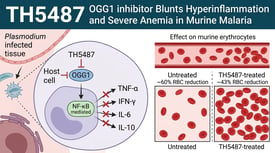
Some inhibitors are designed to be non-competitive, binding to allosteric sites. Research is also exploring OGG1's non-canonical roles in inflammation, where its inhibition could potentially dampen inflammatory responses by altering gene expression. Common classifications of OGG1 inhibitors are based on their chemical structure (e.g., small molecules, natural product derivatives) and their mechanism of inhibition (e.g., competitive, non-competitive, allosteric). Research tool compounds, such as specific OGG1 inhibitors like TH5487 or O3, are crucial for elucidating the precise roles of OGG1 in DNA repair and inflammation, and for validating OGG1 as a therapeutic target. Challenges in developing OGG1 inhibitors include achieving selectivity over other DNA glycosylases and ensuring minimal off-target toxicity, especially given the ubiquitous role of BER in maintaining genomic stability. The optimal therapeutic window for OGG1 inhibition in cancer, where it might sensitize tumor cells without causing excessive toxicity to healthy tissues, needs careful definition. Combination therapy, particularly with DNA-damaging chemotherapeutic agents or radiation, is a key strategy being explored to enhance anti-tumor efficacy. Furthermore, understanding the dual role of OGG1 in DNA repair and inflammation opens avenues for its inhibition in inflammatory diseases, requiring distinct therapeutic strategies and safety profiles.